
Indus Waters Treaty: Pakistan Calls for UN-Led Dialogue as WAPDA Warns India's Chenab Projects Could Choke Water Flows
By DunyaDesk · 2026-11-12
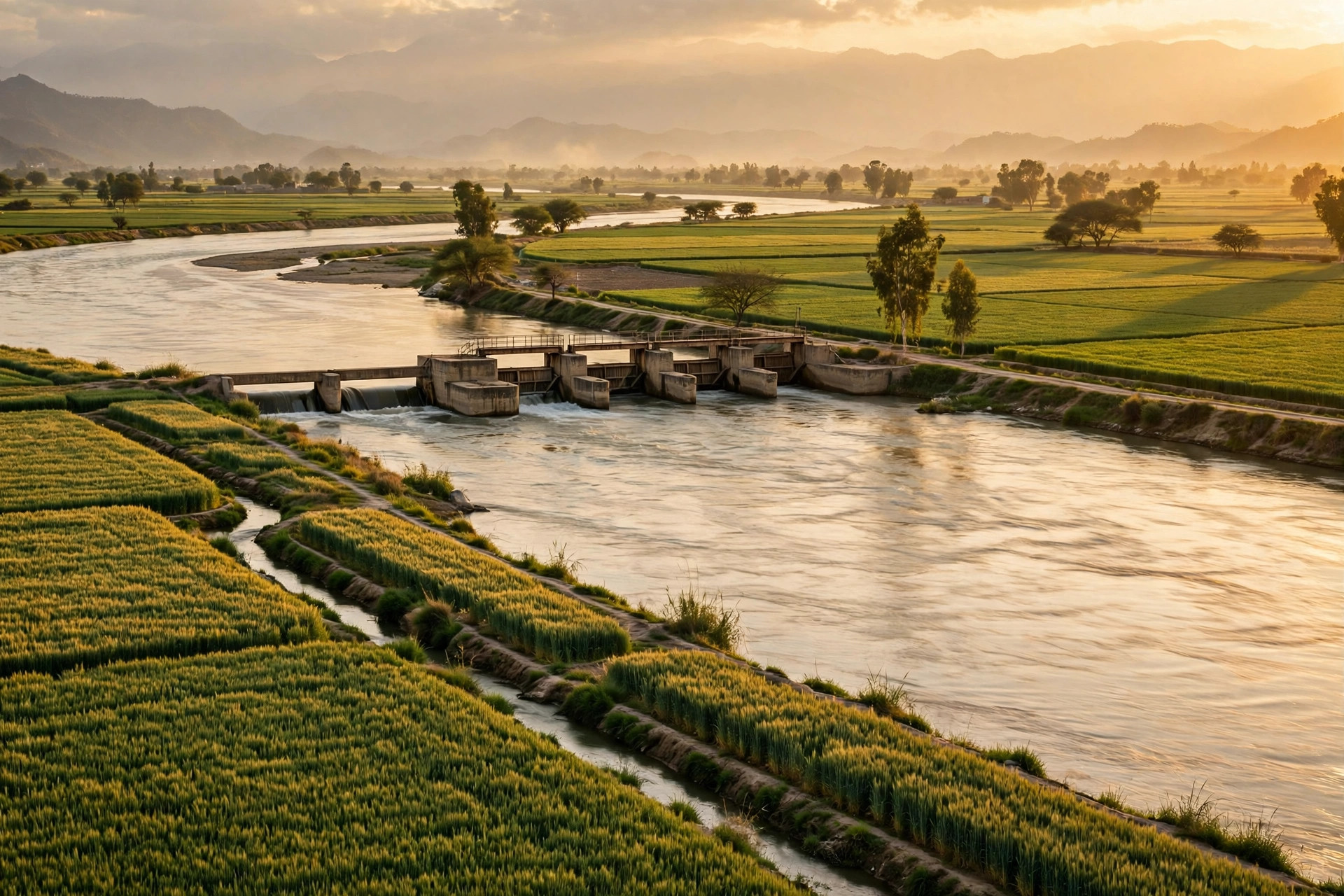
The Indus Waters Treaty took centre stage at the Margalla Dialogue 2026 in Islamabad, where Law Minister Azam Nazeer Tarar urged Pakistan and India to resolve their disputes through dialogue and United Nations mechanisms rather than force. The Pakistan India water dispute over the treaty — and over India's projects on the Chenab river — dominated the second day of the dialogue, with the WAPDA chairman warning that the projects could put the water supply of nearly 10 million people in Pakistan at risk.
Indus Waters Treaty: What Tarar Told the Margalla Dialogue
Delivering the keynote address at the Margalla Dialogue on Wednesday, Tarar said adherence to international law, treaties and established global norms was essential for lasting peace in South Asia. He described the Indus Waters Treaty as a unique and successful international agreement that has remained in force for more than six decades despite wars and tensions between Pakistan and India. Facilitated by the World Bank, the treaty provides a structured framework for water distribution, information exchange and dispute resolution through the Permanent Indus Commission, a Neutral Expert and a Court of Arbitration. Tarar maintained that the treaty contains no provision for unilateral termination and requires the mutual consent of both parties — and that India's announced suspension of the treaty was contrary to its spirit and to the fundamental principles of international law, particularly the rights of a lower riparian state. He also said Pakistan had offered an independent investigation into the April incident by any country or agency, but military aggression was chosen instead.
Chenab River Projects: WAPDA's Warning on Water Flows
WAPDA Chairman Lt Gen (retd) Muhammad Saeed told the same forum that India is developing five major and 19 smaller projects on the Chenab, besides pursuing three schemes aimed at diverting river water. He warned that by 2030, India could increase its water-storage and flow-regulation capacity from 12 days to 50 days, with further storage capacity by 2032 — a development he said could affect nearly 10 million people in Pakistan. As proof, Saeed said India wants to restrict water when Pakistani farmers need it and release it when demand is low: the flow at Marala was reduced to 13,206 cusecs on December 12, when the first watering of the wheat crop was due. He added that India has stopped sharing river-flow data previously exchanged between the two countries' water commissioners, and called the move a violation of the water agreement and of human rights, urging Pakistan to raise the issue internationally.
Margalla Dialogue 2026: Dar and Sherry Rehman on Water Rights
The water theme ran through the whole dialogue. Deputy Prime Minister and Foreign Minister Ishaq Dar, addressing the inaugural session on Tuesday, said Pakistan would firmly safeguard its legitimate rights under the Indus Waters Treaty and oppose any attempt to weaponise water, while calling for stronger diplomacy to address rising global tensions. PPP Vice President Senator Sherry Rehman, addressing the dialogue via video link on Tuesday, warned that using water as a tool of political pressure could threaten regional peace and stability, and stressed that the Indus Waters Treaty remains binding under international law. She said effective implementation of the treaty is essential for Pakistan's agriculture, food security and overall water security, and that Pakistan will continue diplomatic efforts to safeguard its legitimate water rights in every available legal and international forum.
Pakistan India Water Dispute: What Happens Next
India placed the treaty in abeyance on 23 April 2025, a day after the Pahalgam attack. A Court of Arbitration award on 31 August 2026 ruled that the treaty remains in force and India cannot unilaterally suspend it — a finding India rejects, disputing the court's jurisdiction. For now, Pakistan's message from the Margalla Dialogue is consistent: dialogue through the United Nations and the treaty's own mechanisms, not force, is the way forward. Whether India returns to the table will decide whether the Chenab's waters keep flowing to Pakistan's farms — or become the next flashpoint in the region.
Sources: Express Tribune, 12 Nov 2026; Dawn, 11 Nov 2026; Business Recorder, 11 Nov 2026; Aaj English TV, 10 Nov 2026; UrduPoint, 10–11 Nov 2026; News18, 6 Nov 2026.
Comments
No comments yet. Be the first to share your view.