
Pakistan Wheat Import Cap Raised to 2.5 Million Tonnes
By DunyaDesk · 2026-11-28
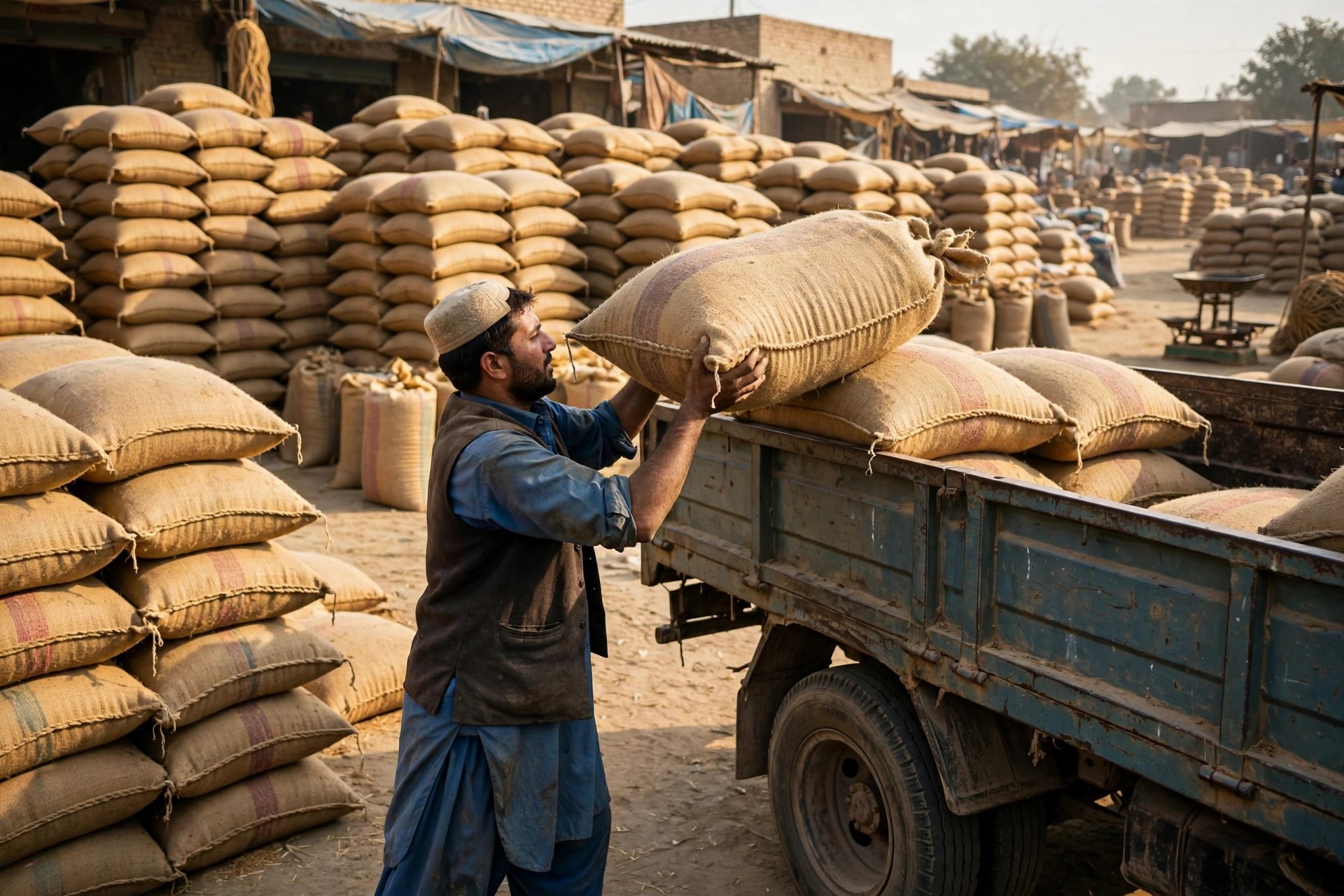
Pakistan wheat import limits have been raised sharply: the government has lifted the wheat import ceiling by 150 per cent to 2.5 million tonnes, in the latest Pakistan news on food prices, after flour became 54 per cent dearer.
The Economic Coordination Committee (ECC) of the Cabinet approved the increase in principle at a hurriedly called virtual meeting late on Friday night, chaired by Finance Minister Muhammad Aurangzeb. The decision raises the previously approved ceiling from 1 million tonnes to up to 2.5 million metric tonnes for Food Year 2026-27.
The move comes as wheat and flour prices keep climbing. According to the Pakistan Bureau of Statistics, wheat flour prices have soared to an average of Rs164 per kg — up Rs57, or 54 per cent. Wheat prices rose 5.6 per cent in the last week alone, and market rates now range between Rs7,500 and Rs8,500 per 40 kilograms, against an indicative official rate of Rs4,000 to Rs4,200.
Pakistan wheat import: why the ceiling was raised
The finance ministry said the decision was taken to ensure adequate wheat availability, stabilise market prices and meet provincial requirements until the forthcoming harvesting season. The Express Tribune reported that the decision followed the disclosure that some of the government's own public wheat stocks were unfit for consumption — and that the decision had been delayed for five months while flour prices spiked.
The provinces have reassessed their requirements as prices rose, raising cumulative import demand to about 1.7 million tonnes: Punjab has requested 950,000 tonnes, Sindh 450,000 tonnes and Khyber Pakhtunkhwa 300,000 tonnes. The ECC agreed that a 2.5 million-tonne ceiling would give enough flexibility to meet any additional provincial requirements or shortfalls without repeated approvals.
The decision is subject to ratification by the federal cabinet, and actual import volumes will depend on confirmed provincial demand and prevailing market conditions. A panel headed by Deputy Prime Minister Ishaq Dar will oversee execution, according to Dawn.
What it means for roti prices
The higher ceiling is a cap, not the import itself — but it sends a clear signal to the market. The government will effectively have to issue tenders for about 1.95 million tonnes of additional imports. According to Profit by Pakistan Today, 550,000 tonnes have already been contracted and another 800,000 tonnes are under procurement, with the provinces bearing the entire import cost.
The ECC also approved priority berthing arrangements for wheat-carrying vessels at Pakistani ports to speed up deliveries and minimise delays and extra costs.
Short-term inflation was recorded at 9.49 per cent year-on-year in the week ending 26 November, according to the Pakistan Bureau of Statistics, driven largely by wheat flour prices. Finance Minister Aurangzeb stressed that a coordinated and forward-looking approach was essential to safeguard consumers from inflationary pressures while ensuring the efficient use of national resources.
For households, the test is whether flour prices now come down. The import ceiling gives the government room to bring in wheat quickly — but until tenders are issued, ships arrive and stocks reach the market, flour is likely to stay expensive. The next harvest, and the cabinet's ratification of Friday's decision, are the two dates to watch.
Source: Dawn, Express Tribune, Arab News Pakistan, Radio Pakistan, Profit (Pakistan Today), ProPakistani
Comments
No comments yet. Be the first to share your view.