
Qatar Says US-Iran Talks Have Not Failed: "Both Sides Working Towards a Deal"
By DunyaDesk · 2026-11-07
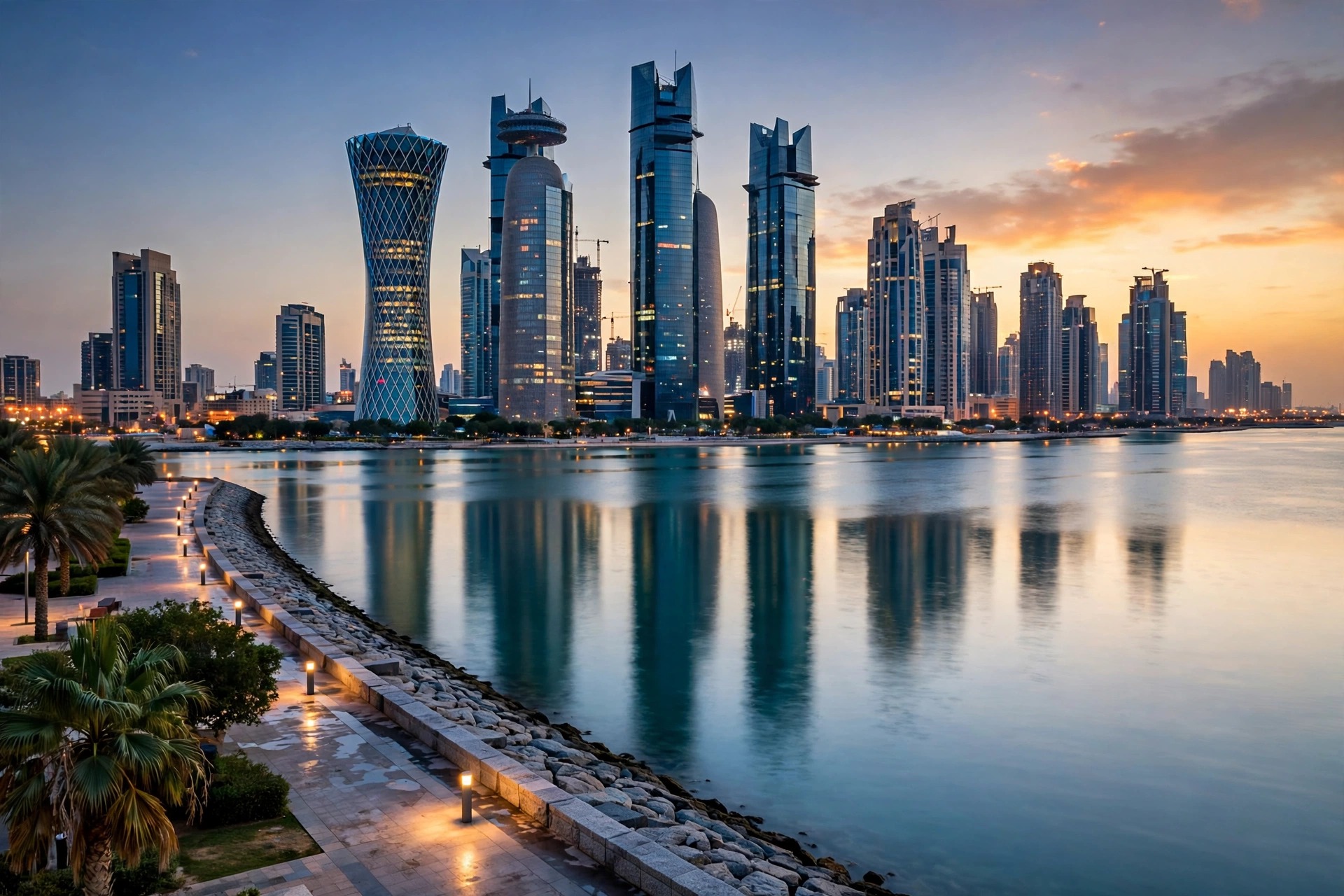
Qatar has firmly denied reports that the US-Iran negotiations have failed, saying the claims are "false and misleading" and that the Iran US talks are still alive. In a statement on Saturday, Qatar's International Media Office said both sides "are continuing to work towards a deal" — a direct pushback against online claims that the talks had collapsed after Friday's limited US strikes on Iran.
What Qatar Actually Said
Qatar said online reports claiming that Prime Minister and Foreign Minister Sheikh Mohammed bin Abdulrahman bin Jassim Al Thani had said the United States and Iran failed to reach an agreement were "false and misleading". The statement added: "His Excellency's remarks have been deliberately distorted by those who benefit from continued war and instability in our region." Qatar's foreign ministry spokesperson, Majed al-Ansari, posted a video of the prime minister's remarks on X, saying the claims were being spread by fake accounts trying to undermine the diplomatic efforts and push for further escalation. "Promoting such false claims serves only those seeking to prolong the war and destabilise the region," al-Ansari said, according to Al Jazeera.
"We Cannot Wait for a Perfect Deal"
The row follows the Qatari prime minister's public interview at Oxford University on Friday, where he urged the US and Iran to reach a peace deal to end the war, warning that they cannot afford to wait for a "perfect moment". "We will never have a perfect peace deal, but we cannot just wait for this moment of a perfect deal and avoid having a good deal," he said, adding that the crisis "cannot be left unresolved". He also said significant progress had been made in the negotiations and expressed confidence that a settlement could be reached, according to Reuters.
Vance in Daily Talks — and Pakistan's Mediating Role
US Vice President JD Vance has spent the past fortnight directly engaged in indirect negotiations with Iran aimed at brokering a new ceasefire and resuming stalled nuclear discussions, Axios reported, citing two sources with knowledge of the matter. Vance has maintained daily discussions with the Qatari prime minister, Pakistan's Army Chief Asim Munir and other mediators, according to Axios. White House special envoy Steve Witkoff and presidential adviser Jared Kushner are likewise engaged in the diplomatic track. Vance had earlier dispatched a formal letter to Mohsen Rezaei, secretary of Iran's Supreme National Security Council, proposing the resumption of direct talks.
The Bridge Deal: Two Days to Reopen Hormuz
Mediators and Iran have discussed a potential bridge deal aimed at paving the way for further talks on Tehran's nuclear programme, regional officials said. The proposal, presented by Qatar, calls for trust-building measures over two days: lifting the US blockade and releasing some of Iran's frozen funds on the first day, and Iran reopening the Strait of Hormuz on the second day, in line with a modified agreement Iran and Oman have reached — though the US has not yet approved it. Iran is now reviewing proposals presented by chief mediator Qatar aimed at addressing differences over Tehran's nuclear programme, officials from both West Asian governments said on Friday. The "Iran nuclear talks" remain the thorniest issue: Trump insists the nuclear question must be resolved as part of any deal to end the more than eight-month-old war.
Iran's Conditions Before Nuclear Talks
One official stressed that Iran, at least for now, is unwilling to engage in negotiations over its atomic activities until the US agrees to several core conditions: ending the US blockade on Iran's ports, lifting sanctions, unfreezing its assets, issuing compensation for war damage, and ending hostilities throughout the region, including Israeli operations in Lebanon. The White House declined to comment on the Qatar-presented proposals, but Trump noted on Friday that the mediators' discussions with Iran continue. "We've made a lot of progress with Iran," Trump told reporters. "They want to make a deal."
Strikes and Warnings Continue Alongside Diplomacy
The diplomacy is running in parallel with military action. Trump confirmed on Friday that the US military carried out new limited strikes on an Iranian air defence system — the first strikes since his party's midterm defeat — and two projectiles hit Qeshm Island in the Strait of Hormuz on Saturday morning, with no casualties reported. The US Central Command also announced a reward of up to $20 million for information about Iran's nuclear programme. The Strait of Hormuz news remains grim for shipping: traffic through the waterway, which carries roughly a fifth of the world's oil, is severely suppressed, with maritime monitors recording only a handful of transits against about 85 a day before the crisis.
What Happens Next?
All eyes are now on Tehran's answer to the Qatari proposals. If Iran accepts the bridge deal, the Strait of Hormuz could reopen within two days — but Iran's seven conditions, including an end to the US naval blockade, remain the biggest obstacle. With the "US Iran ceasefire" still unsealed and both sides talking while striking, the next few days will decide whether the Qatar mediation produces a deal or the region slides back towards a wider war.
Sources: Al Jazeera, ANI/Economic Times, Arab News, The Peninsula Qatar, Khaleej Times, The Hindu, Reuters, Axios
Source: Al Jazeera, ANI/Economic Times, Arab News, The Peninsula Qatar, Khaleej Times, The Hindu, Reuters, Axios
Comments
No comments yet. Be the first to share your view.