
Iran US Talks Stall as Trump Warns of 'Heavy Hit' and Hormuz Tankers Hit Mines
By DunyaDesk · 2026-11-04
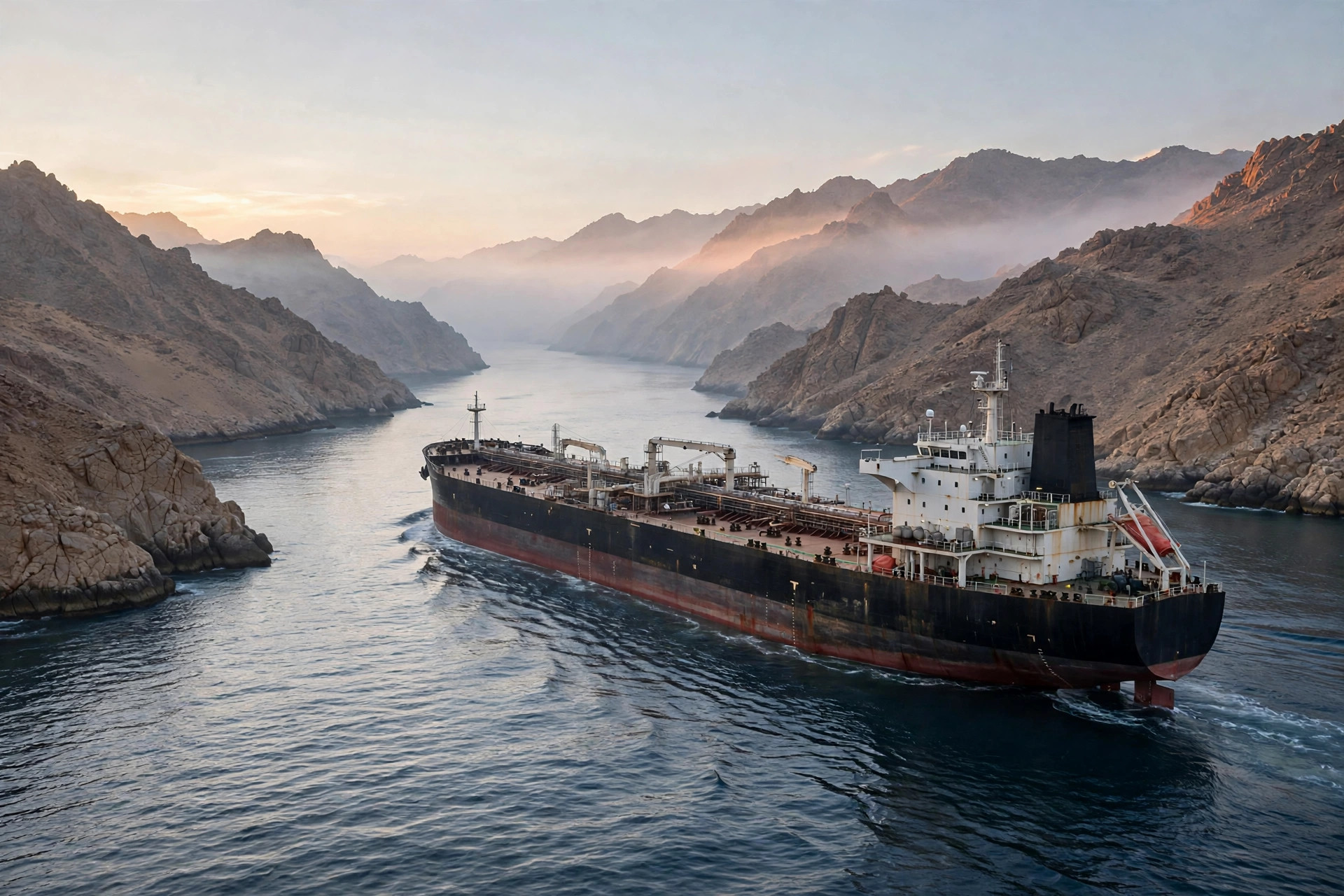
Iran US talks are described as stalled on Wednesday, even as Qatar's mediators keep working and both sides study a new proposal. The warning signs are piling up on both tracks at once: US President Donald Trump has warned that Washington could launch a major strike on Iran involving a "heavy hit", while Iran says four oil tankers caught fire after hitting mines while attempting to cross the Strait of Hormuz. In this Iran USA war, diplomacy and military pressure are again running side by side, and neither track has produced a deal.
Trump's warning, reported by the BBC and carried by Gulf News, is blunt. He said the United States must do "something large" against Iran, and warned that any action could involve a "heavy hit". In separate interviews reported by Reuters, Trump said he was ready but in no hurry for strikes: "I'm ready, we're ready. We're locked and loaded if we need to go, but there may be no reason for it." He also told the Financial Times that indirect negotiations with Iran about its stockpile of enriched uranium were ongoing, saying "we're having discussions, and we'll see how that all works out". For anyone following the Iran America war, that combination — a strike threat plus an open negotiating channel — is the pattern of the past week, not a break from it.
Iran US Talks: Tehran Calls the US Reply "Unconvincing"
Tehran's answer to Washington's latest response has been equally blunt. Mohsen Rezaei, secretary of Iran's Supreme National Security Council, said the US response to Iranian demands "was not convincing", adding that Washington "must fully and explicitly address Iran's seven conditions and act upon them". Only then, he wrote, will the Strait of Hormuz be reopened. Those conditions, as set out by Tehran, include waiving sanctions on Iranian oil sales, ending the US naval blockade of Iranian ports, releasing frozen Iranian funds, and observing a ceasefire covering the region, including Lebanon and Yemen.
Qatar's mediation continues in parallel. Foreign ministry spokesperson Majed al-Ansari said both the United States and Iran remained committed to the negotiation process and were reviewing proposals put forward by mediators. A Qatari team travelled to Tehran on Monday night for talks on a version of a draft deal discussed over the past eight days, and has since returned to Doha, while talks continue. An official briefed on the talks told Reuters that feedback from Washington and Tehran on the mediators' new suggestion was expected within about 36 hours — a marker that falls due around Wednesday to Thursday, and the clearest near-term test of whether the Iran US talks move forward or stall again.
Strait of Hormuz News: Tankers, Mines and Tuesday's Confirmed Strikes
The most alarming new claim of Wednesday concerns shipping. Iran says four oil tankers caught fire after hitting mines while attempting to pass through the Strait of Hormuz, Gulf News reported, after Tehran warned that no one would benefit from a return to war. Al Jazeera separately reported another oil tanker attacked in the strait. These are Iranian claims, reported by those outlets — they have not been independently confirmed — but they land in a waterway that previously carried about a fifth of the world's traded oil and gas, so any threat to shipping there moves energy markets immediately.
The strikes track is no longer speculative. Trump confirmed on Tuesday that the United States had struck Iran, telling Fox News the strikes targeted an anti-aircraft facility, and Iranian media said the strikes hit Qeshm Island in the Gulf near the Strait of Hormuz. A US official told Reuters the strikes were "defensive" and targeted surface-to-air missiles used against US assets. That confirmation is the backdrop to everything else in this USA war: the mediation is happening while strikes have already been carried out, not instead of them.
The Midterm Factor: "NO TO WAR", Says Tehran's Negotiator
Iran's chief negotiator in talks with the United States, Mohammad Baqer Ghalibaf, said on Wednesday that Americans voted "NO TO WAR" after the Democrats' midterm election gains, in which the party took control of both chambers of Congress. Iran's President Masoud Pezeshkian said his government was still trying to resolve the crisis "through dialogue", warning that a renewed war would benefit no one. The midterm result matters here because Trump himself has linked the election outcome to the war debate — and because, as Reuters reported, he declined to rule out a resumption of US combat operations after the elections.
In a separate announcement reported by DD India, Trump said Washington would stop $4 billion in annual funding to Israel after this year under a deal with Prime Minister Benjamin Netanyahu, while continuing to sell weapons to its ally. That announcement does not change the Iran file directly, but it shows the wider regional recalibration happening alongside the Iran US talks.
For now, the picture is unresolved rather than settled. The mediation is alive — Qatar says both sides are studying a new proposal, with feedback expected within about 36 hours — but Tehran calls the US reply unconvincing, Trump warns of a "heavy hit", and tankers are reported hitting mines in the strait. The next marker to watch is that 36-hour feedback, and whether it brings a new proposal both sides can accept or another round of warnings.
Source: Reuters via DD India (4 Nov 2026); Al Jazeera (4 Nov 2026); Gulf News live coverage (4 Nov 2026); BBC via Gulf News; Qatar Foreign Ministry spokesperson Majed al-Ansari; Iranian officials via Reuters/Al Jazeera
Comments
No comments yet. Be the first to share your view.