
Trump to Decide on Iran "Soon" as Tehran Sends Nuclear Proposal via Qatar
By DunyaDesk · 2026-11-06
President Donald Trump says he will soon decide whether to resume military strikes on Iran, as Tehran sends a nuclear proposal to Washington through Qatar and sets seven conditions for talks. The Trump Iran decision comes at a moment of rising tension in the Strait of Hormuz, where fresh tanker fires were reported on Thursday, and just days after US voters handed the president's party a sweeping defeat in the midterm elections.
Trump meets his security team
Trump met his national security team on Thursday to discuss Iran, the first such meeting since the midterm elections, according to two US officials quoted by Axios. Speaking to reporters in the Oval Office, Trump said the time had come to choose. "Now we will make a decision. I would rather not destroy the rest of the country if possible, but maybe I'll have to. You will know soon enough," he said. Trump is weighing three paths: fresh strikes, continued economic pressure, or a deal that would give Iran major concessions. US Central Command is finishing preparations that would allow major combat operations to restart, although it has not yet been told to do so.
Iran's nuclear proposal via Qatar
Iran has sent the United States a proposal on its nuclear programme through Qatar, a senior Iranian official told Reuters on Thursday. But negotiations on the issue will begin only after Washington meets seven Iranian demands, the official said. Iran's top security official, Mohsen Rezaei, said during a visit to Russia that Tehran had presented Washington with seven conditions. "As long as they do not execute our seven conditions, we will neither open the Strait of Hormuz nor have negotiations," Rezaei said. Iran has demanded the lifting of US sanctions, the release of frozen Iranian assets and war reparations, among other conditions.
The seven conditions and the Qatar plan
The conditions trace back to a seven-step proposal Iran put forward in September: an end to the war on all fronts, the lifting of oil sanctions, the unfreezing of Iranian assets, an end to Washington's counter-blockade of Iranian ports, the removal of recently imposed sanctions, a reduction of American troops in the region, and acceptance of a new transit route agreed between Iran and Oman. Qatar is working on a draft plan with both Tehran and the White House under which each side would take a series of steps over two days to build trust. On day one, the US would end its naval blockade and free up part of Iran's frozen money, and Iran would formally invite inspectors from the International Atomic Energy Agency to visit the bombed nuclear sites. On day two, the Strait of Hormuz would reopen and nuclear talks would start again, with Iran's stockpile of highly enriched uranium as the main topic.
Tanker fires raise the stakes
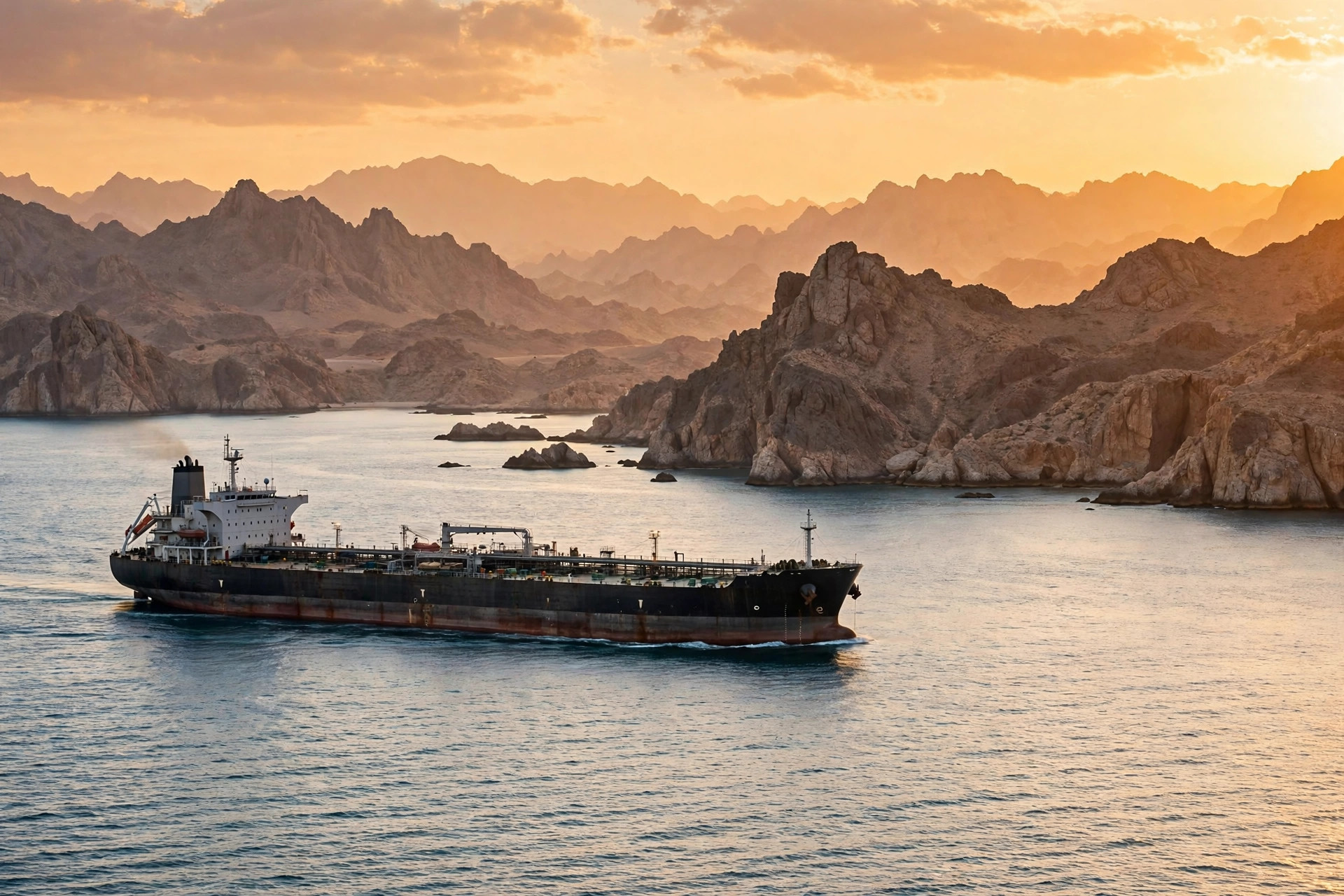
The diplomacy is unfolding against fresh incidents at sea. Iran's Revolutionary Guards and army said on Thursday that five oil tankers and a tugboat had caught fire in separate incidents in the Strait of Hormuz, with several vessels reportedly striking naval mines. The claims have not been independently verified, and it remains unclear whether the reported incidents overlap. Separately, the United Kingdom Maritime Trade Operations agency reported that a tanker had been struck by two unidentified projectiles about 90 kilometres north of Qatar. The Joint Maritime Information Centre reported four attacks in the Strait over 96 hours between November 1 and 3, compared with three in the preceding period. Iranian media also claimed a US warship was hit by two missiles near the Iranian port of Jask; the US military denied that one of its vessels had been struck.
Diplomacy on several fronts
Iran's Foreign Minister Abbas Araghchi held phone calls with mediators from Qatar, Saudi Arabia, Turkey, the UAE, Oman and Egypt. Rezaei met Russian President Vladimir Putin at the Kremlin, passing along a message from Iran's Supreme Leader, and said Putin was willing to help bring the war to a close. Oman and Iran on Thursday stressed the importance of consolidating sustainable understandings to ensure maritime security, end the state of war and prevent renewed confrontations. Trump has sent mixed signals: on Tuesday he told Fox News he was "not looking to kill lots of people," and after a speech at the Lincoln Memorial he answered "No" when asked whether he was considering resuming attacks after the midterms — before warning on Thursday that he might have to "destroy the rest of the country."
What happens next
The US Iran war now hinges on the decision Trump says is coming soon. A deal would need Washington to accept at least part of Iran's seven conditions, most of which it has so far resisted, while a return to strikes would come with a Congress now controlled by Democrats who campaigned against the war. Trump has acknowledged that the Iran war and the resulting increase in fuel prices contributed to Republican losses in the midterms. With the Strait of Hormuz still effectively closed and shipping disrupted, the coming days will show whether the Qatar channel produces a breakthrough or a new round of fighting.
Source: Reuters (via Haaretz), Gulf News, Times Now (Axios), Al Jazeera
Comments
No comments yet. Be the first to share your view.