
Trump Rejects Iran Deal to Reopen Strait of Hormuz in Seven Days
By DunyaDesk · 2026-11-06
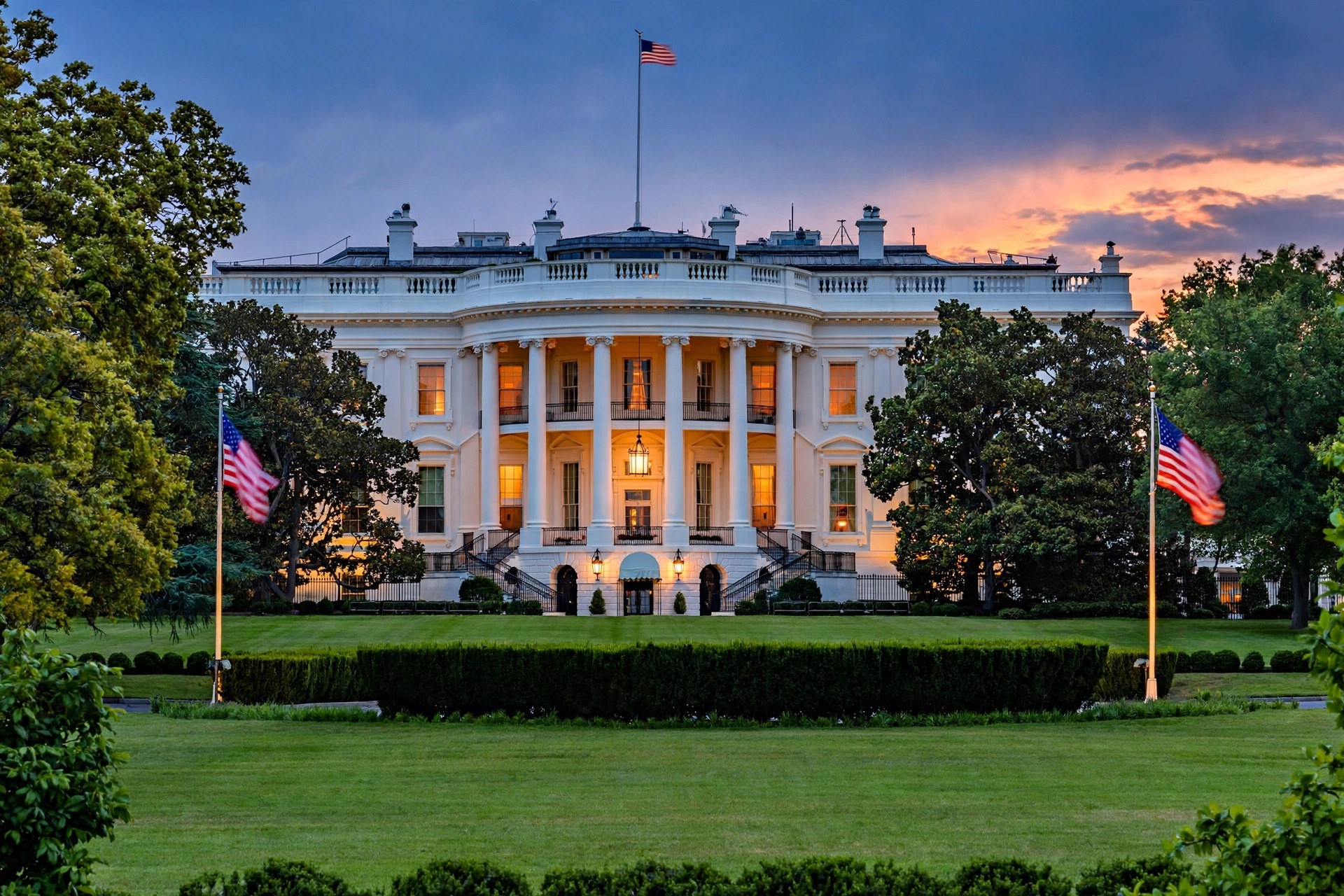
President Donald Trump has rejected Iran's proposal to reopen the Strait of Hormuz within seven days, dashing hopes for a quick end to a war that has shut one of the world's busiest oil corridors for nearly eight months. The Trump rejects Iran deal moment comes just a day after Tehran unveiled its plan at the United Nations and said the choice now rested with the United States.
Trump: "I'm rejecting their deal"
Speaking to reporters outside the White House, Trump said the Iranian proposal was not acceptable. "I'm rejecting their deal," he said. "I turned down their offer. I turned down their agreement." Trump said Tehran wanted a deal to open the strait immediately "because they're losing so badly", and claimed the United States already had "total control" of the waterway, with "massive amounts of oil" passing through it. His rejection was backed by the US ambassador to NATO, Matthew Whitaker. The Wall Street Journal, citing US officials, reported that Trump was privately sceptical Iran would meet his demands and had told aides he expected a renewed bombing campaign after the November midterm elections.
Iran's seven-day plan
Iranian Foreign Minister Abbas Araghchi unveiled the plan to reporters at the UN General Assembly in New York on Friday. Iran had conveyed a concrete seven-day roadmap to the United States through Qatar, he said. "If the necessary conditions are met, the strait can be reopened, and normal maritime passage restored within seven days," Araghchi said. According to Al Jazeera, the timeline would start as soon as Washington accepted the plan: the first steps would take four to five days, the strait would reopen on the sixth day, and on day seven the two sides would begin talks on a final deal covering Iran's nuclear programme. "The choice now rests with the United States," Araghchi said.
What Tehran is demanding
In return for reopening the strait, Iran is demanding the lifting of US sanctions on its oil, the release of frozen Iranian assets, an end to the US naval blockade of Iranian ports, and a halt to hostilities. Araghchi said the conditions were the same as those in a memorandum of understanding signed between the US and Iran in June, after Qatari and Pakistani mediation, which set a 60-day window for talks but collapsed within weeks. Iran's President Masoud Pezeshkian, who travelled to New York for the UN General Assembly, also spoke about the proposal to CBS News. The Strait of Hormuz normally carries about a fifth of the world's traded oil and gas, and has been effectively closed to most traffic since US and Israeli strikes on Iran on February 28.
Araghchi: waiting for a definitive answer
In a post on Telegram, Araghchi acknowledged Trump's rejection but said Iran would wait for an official response from the mediators. He said the president had made contradictory statements in the past. "We are waiting for the mediators to convey the definitive views to us, and we will make a decision based on them," Araghchi wrote, adding that Iran "will not back down" on its conditions. His message was the first Iranian response after Trump's public rejection, and it kept the door open to further talks even as the two sides blamed each other for the deadlock.
A war in its eighth month
The rejection extends a conflict that has swung between threats and diplomacy for months. Trump has vacillated between warning of fresh strikes and saying a deal is near, while Iran has held the strait shut as its main point of leverage. The rejection came two days after the US Senate narrowly voted down, 49–50, a war-powers resolution that would have directed Trump to withdraw US forces from hostilities against Iran without a formal declaration of war, according to CBS News. With the midterm elections now over, the decision Trump promised "soon" has arrived — and it was no.
What happens next
The Iran US talks now depend on whether the mediators — Qatar, Oman and others — can produce a "definitive" American answer that differs from Trump's public rejection. If Washington holds its line, Iran has signalled the strait stays closed until all its conditions are met, and the Wall Street Journal's reporting suggests renewed US strikes are a real possibility. If a revised offer emerges, the seven-day roadmap could still be revived. Either way, the Hormuz reopening that markets hoped for this week is not coming yet, and shipping, oil prices and the wider region remain hostage to the next move.
Sources: BBC News, Al Jazeera, The Wall Street Journal, CBS News
Source: BBC News, Al Jazeera, The Wall Street Journal, CBS News
Comments
No comments yet. Be the first to share your view.