
Vance Weighs Direct US Iran Talks as Trump Empowers Him to Negotiate an End to the War
By DunyaDesk · 2026-11-12
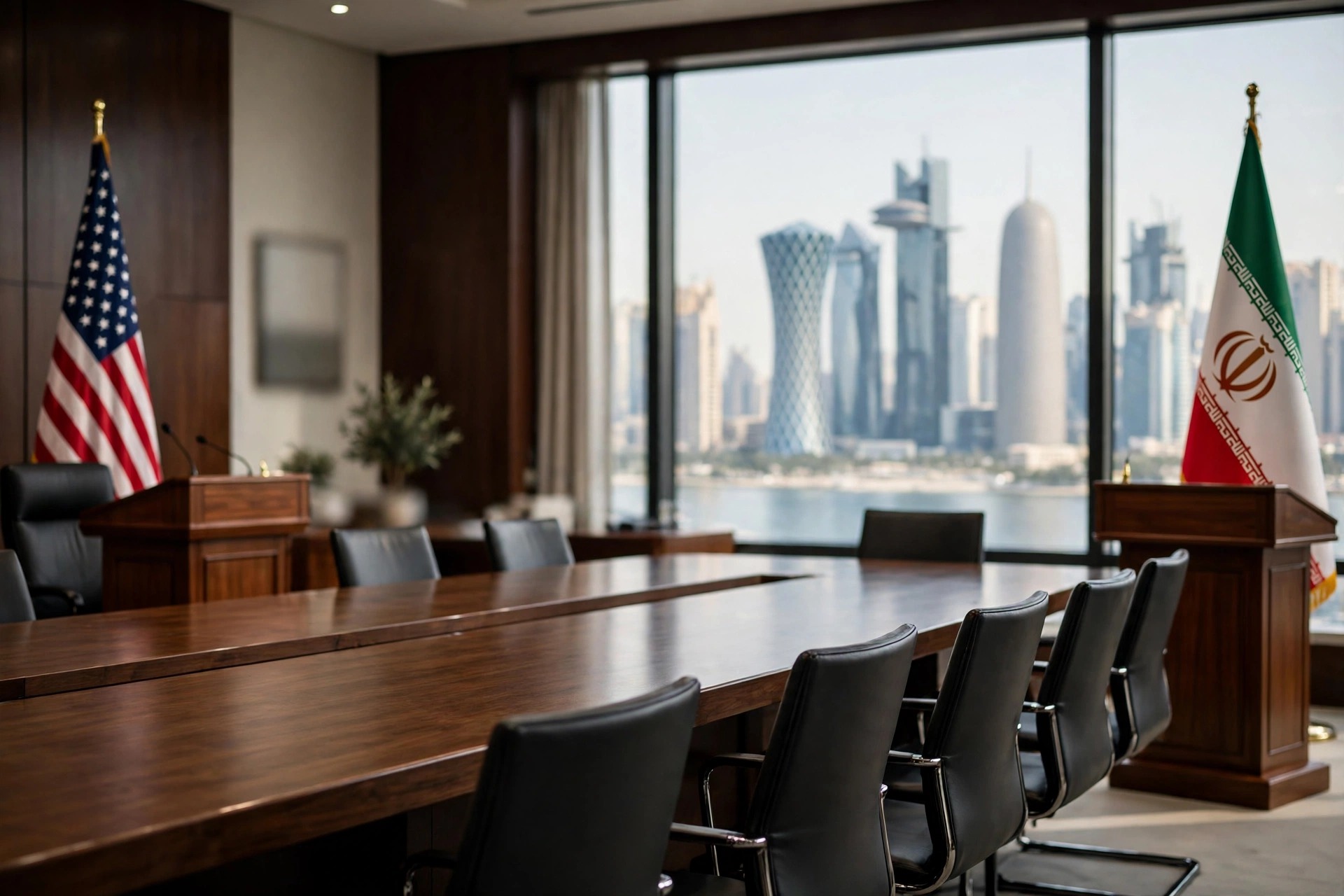
US Vice President JD Vance is considering face-to-face talks with Iran's top security official, Mohsen Rezaei, as he emerges as the lead negotiator in a renewed push to end the war with Iran. The Wall Street Journal reported on Wednesday that President Donald Trump has told top aides he is open to Vance restarting US Iran talks and has empowered him to negotiate. The discussions remain at a preliminary stage and no date has been set, US officials stressed, but the report marks the clearest sign yet that Washington is weighing a direct diplomatic channel with Tehran.
Vance sent a letter in October to Rezaei, the hard-line secretary of Iran's Supreme National Security Council, asking for a meeting. The two countries are talking through mediators and allies about what comes next, and Doha has been discussed as a possible venue for the next phase of negotiations if Vance and Iranian officials agree to meet. Vance met the Qatari prime minister on Monday morning, and the two later met with Trump and other White House officials. Trump called the meeting "excellent".
What the US Iran Talks Could Look Like
A direct meeting between the vice president and top Iranian security officials would be unusual, and it would show the lengths Vance is willing to go to try to end a war that the administration itself has blamed for the Republican Party's heavy losses in last week's midterm elections. Vance has taken a more active role in Iran diplomacy lately than special envoys Steve Witkoff and Jared Kushner, who are also negotiating to end the war between Russia and Ukraine, US officials said. Positioning himself as the primary interlocutor with Iran is politically risky for Vance, some of these officials said: he could become the face of another round of peace talks that ends in failure if Iran refuses major concessions — or he could emerge as the man who ended an unpopular conflict. Within the White House, Vance has set himself apart by publicly blaming the war for the Republicans' midterm defeat. Trump said he understood Vance's position but would do it again.
Iran's Seven Conditions and the Strait of Hormuz
Tehran, for its part, says it has already made its move. In an interview with Al Jazeera on 11 November, Iran's parliament speaker and chief negotiator, Mohammad Bagher Ghalibaf, said Tehran had delivered a clear response outlining its demands to the US through Qatari mediation and was awaiting an official reply. "The ball is now in the Americans' court, and they must make a decision and announce it," he said. Ghalibaf said Washington must meet Iran's seven conditions before the Strait of Hormuz can reopen and formal negotiations can resume. The conditions reported by Iranian officials include lifting the US naval blockade, lifting sanctions and allowing Iranian oil exports, releasing frozen Iranian assets, ending the war on all fronts including Lebanon, formally declaring an end to the war rather than a ceasefire, and refraining from interference in Iran's internal affairs. The complete official list of all seven conditions has not been publicly released, so the full scope has not been independently established. Ghalibaf also said the Strait of Hormuz will "never return" to its pre-war status, and that Iran had reached an understanding with Oman on a new transit mechanism through the waterway under international law. Mediators have proposed confidence-building measures, according to Middle East officials: the US would pull its aircraft carriers back far enough to reduce the risk of major strikes and ease the blockade on Iranian ports, and in exchange Iran would allow 25 tankers to cross the Strait of Hormuz. Iranian diplomats are privately expressing doubt that a deal is within reach, concerned that Trump may still attack, and noting that previous talks were halted by Israeli and US strikes.
Why the Iran USA War Still Hangs in the Balance
The obstacles are formidable. Secretary of State Marco Rubio said on Tuesday that "the Iranian demands are totally unrealistic" and that Washington expects them to change. Rubio added that the US economic pressure campaign was working so well that the president had no need to conduct major combat operations, while stressing that the US military remains ready if Iran crosses any red lines. Trump threatened strikes again on Monday afternoon from the White House, saying the US was maintaining the status quo on the blockade but could still change course, and that another aircraft carrier was moving into the region "loaded up to the gills" if necessary. Trump has also privately criticised the June memorandum of understanding that Vance helped negotiate, two officials said, arguing it gave Iran critical time to regroup and earn oil revenues before the US imposed its naval blockade. A White House official denied that Trump had second thoughts about the agreement. The June talks in Switzerland produced a pause in fighting and the memorandum, but secured no Iranian commitments to limit its nuclear programme or relinquish control over shipping through the Strait of Hormuz. Rezaei himself has pushed back publicly. He said on Tuesday that there are no negotiations with the US at present, dismissed talk of a meeting as "imaginary talks", and insisted Iran "won't remove even a single particle of enriched nuclear material from the country". He also warned that US bases involved in any renewed attack on Iran, including those in Europe, would be targets for retaliation. Iran has also rejected a US proposal to transfer its stockpile of 60 percent enriched uranium to a third country, according to Al Jazeera.
What Happens Next
The war began on 28 February with US and Israeli strikes against Iran, followed by a ceasefire in April and the June framework agreement. According to the latest Pentagon figures cited by the Times of Israel, the conflict has so far cost the lives of 23 US service members and wounded several hundred more. Markets reacted quickly to the latest report: crude oil futures fell on Thursday morning, with Brent at $91.29 a barrel, down 1.58 percent, and WTI at $85.30, down 1.42 percent, according to The Hindu BusinessLine. For now, the two sides are talking about talking. Vance's letter is on the table, Doha is a possible venue, and the mediators are working the space between Washington's demand for concessions and Tehran's seven conditions. Whether the vice president actually sits down with Rezaei — and whether Trump accepts any part of Iran's terms — will decide if this becomes the breakthrough that ends the war, or another round of diplomacy that collapses before it begins.
Sources: The Wall Street Journal ("Vance Considers Direct Talks With Iran Hard-Liner in Push to End War", 12 Nov 2026); Al Jazeera ("Hormuz Strait will 'never return' to pre-war status, Iran's Ghalibaf says", 11 Nov 2026; Iran war live blog, 12 Nov 2026); The Times of Israel ("Report: Vance weighing direct talks with Iran, Trump sees June MOU as blunder", 12 Nov 2026); News18 (12 Nov 2026); The Hindu BusinessLine (oil market reaction, 12 Nov 2026).
Comments
No comments yet. Be the first to share your view.