
Seafarer Killed in Missile Attack on Tanker Velos Sapphire in the Gulf as Shipping Attacks Mount
By DunyaDesk · 2026-11-07
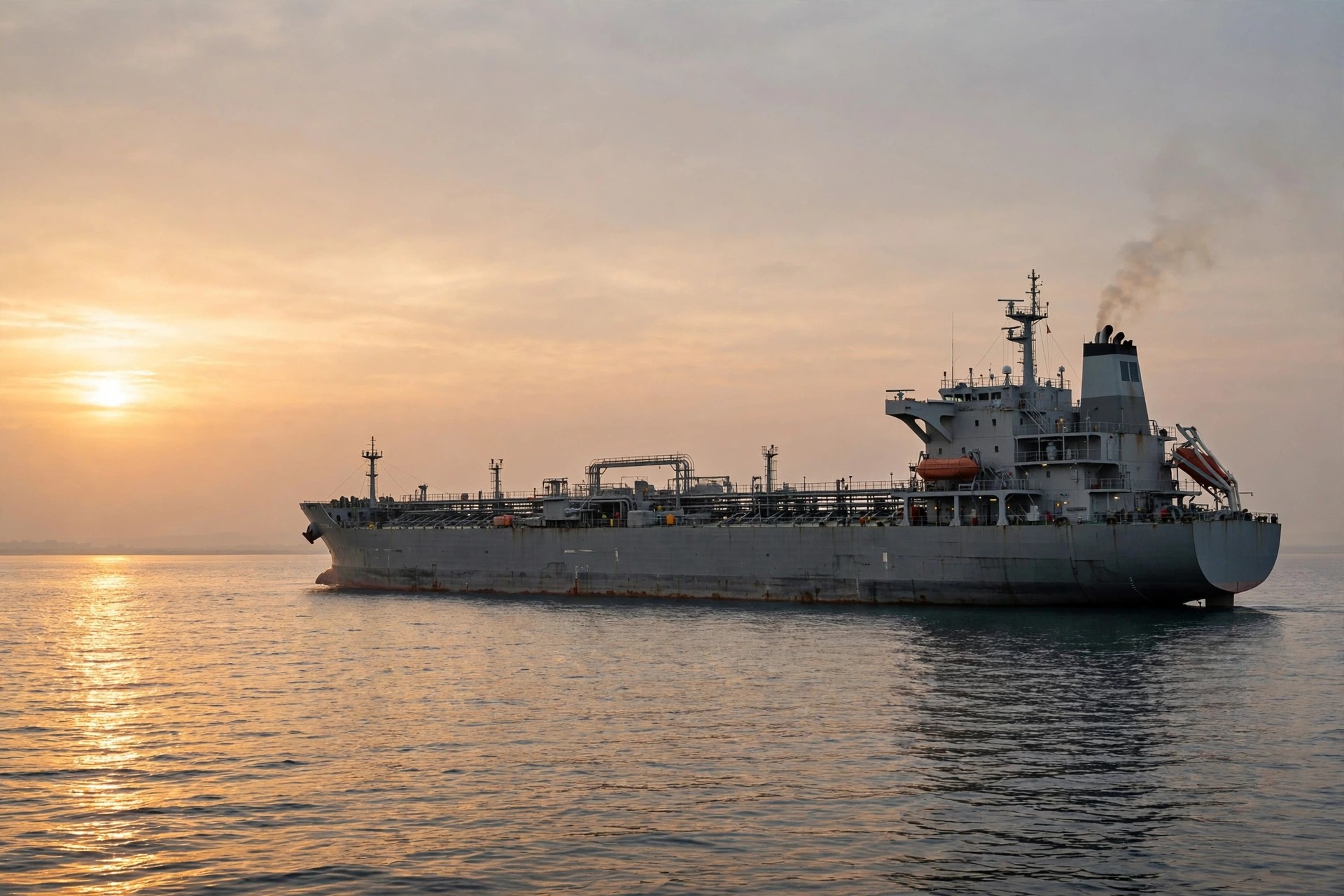
The Velos Sapphire tanker attack has killed one seafarer in the Gulf, the vessel's Greek manager said on Friday, in the latest strike on commercial shipping as the conflict around the Strait of Hormuz drags on. The Marshall Islands-flagged oil products tanker was sailing empty towards Bahrain when it was hit, and no party has yet been confirmed responsible for the attack.
What happened to the Velos Sapphire?
The tanker MT Velos Sapphire, managed by the Athens-based firm Velos Tankers, was sailing unladen towards Bahrain when it was struck by what the company believes was a missile. The UK Maritime Trade Operations centre (UKMTO) reported that a tanker was hit by two unidentified projectiles about 50 nautical miles north of the Qatari peninsula — hundreds of miles west of the Strait of Hormuz. UKMTO timed the incident at 23:20 GMT on Wednesday 4 November; the manager's statement placed the attack on Thursday 5 November. The two accounts differ on the exact time, and neither has been reconciled publicly.
One seafarer killed, ship taken to Bahrain
Velos Tankers said it was "greatly saddened to report the death of one of its seafarers, who was found fatally injured on board after having initially been reported missing in the aftermath of the explosion." The blast started a fire on board, which the crew put out. No other crew members were reported injured. The ship was taken to Bahrain's Khalifa Bin Salman Port, where an investigation will assess the damage to its hull.
Who is behind the attack?
No government or armed group has been confirmed as responsible for the attack. The Wall Street Journal, citing regional officials, security firms and analysts, has reported that Iran has used bomb-laden undersea drones, rocket-propelled grenades and limpet mines attached by crews in recent weeks to stop oil leaving the Strait of Hormuz. The Maritime Executive noted that the strike location, far from the strait, is consistent with an apparent Iranian strategy to attack targets outside the American security umbrella around the Musandam Peninsula — that assessment is an analytical interpretation, not an official attribution. The Velos Sapphire does not appear on Iran's "Persian Gulf Strait Authority" blacklist of so-called noncompliant ships, although a fleetmate, the tanker Velos Amber, is on the high-risk list.
Shipping attacks are mounting
The attack comes as strikes on Gulf shipping accelerate. The International Maritime Organization (IMO) said at least 25 seafarers have now been killed in the Strait of Hormuz since the conflict began on 28 February, with the Velos Sapphire crew member the latest victim, and the total number of attacks on commercial vessels in the region has reached 130. UKMTO data show more than 35 incidents in the strait in October alone — the highest monthly number since the war began. Iranian media reported on Thursday that five oil tankers and a tugboat caught fire after hitting mines in the strait, and on Friday Iran's Revolutionary Guards said two more oil tankers were on fire there.
Why this matters for world trade
The Strait of Hormuz normally carries about one-fifth of global oil consumption, and Tehran has sought to limit traffic through the waterway since the war began in late February, when the United States and Israel carried out a massive wave of strikes on Iran. The United States has responded with a blockade of Iranian ports and by escorting tankers through the strait. With Qatar mediating between Washington and Tehran and Brent crude closing at $98.32 a barrel on Friday, every new attack on a tanker raises the risk of a wider confrontation — and of higher fuel prices far beyond the Gulf.
Source: Reuters, Gulf Times, Maritime Executive, Trend.az (IMO), The Eastleigh Voice
Comments
No comments yet. Be the first to share your view.